Hi fin banded shark
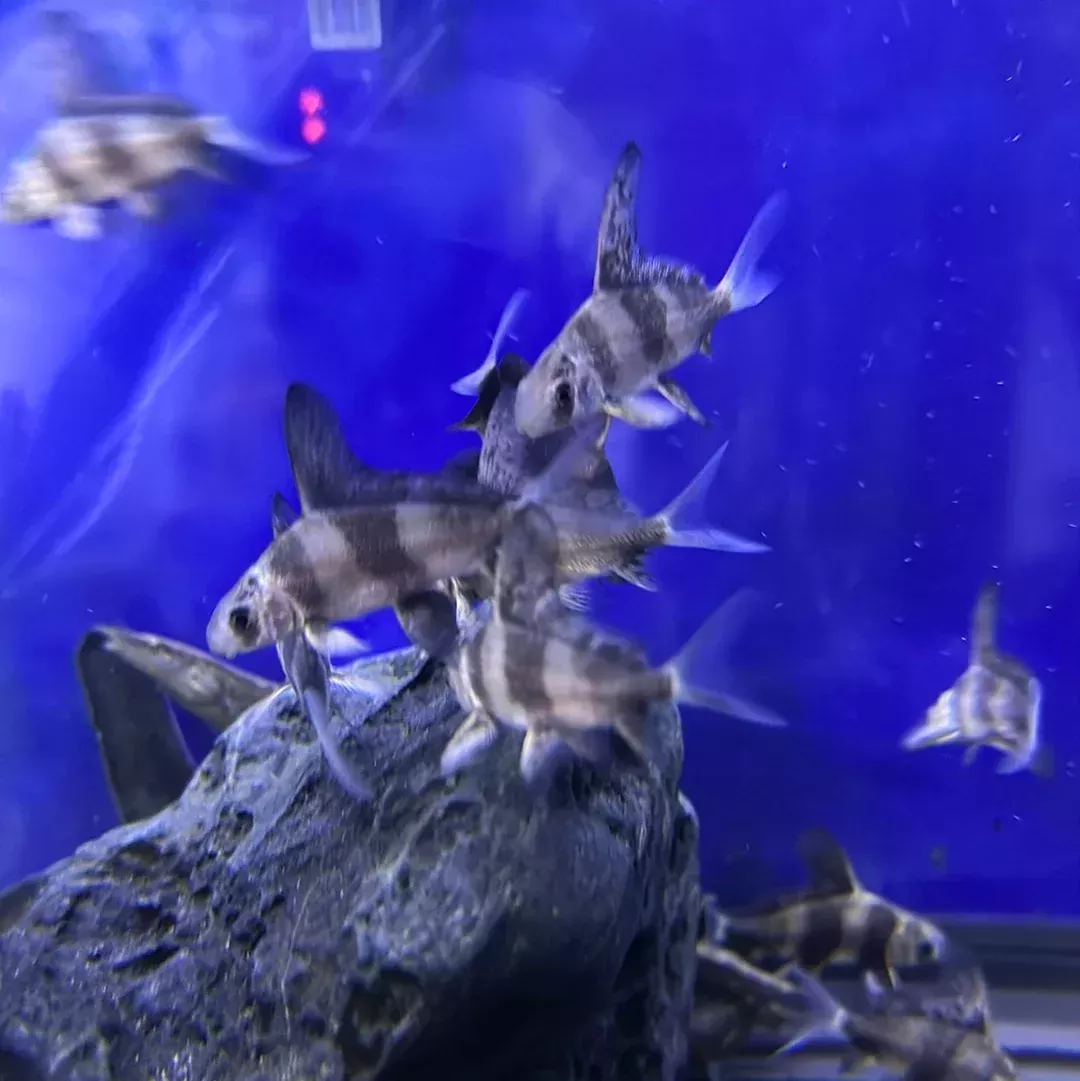
Myxocyprinus asiaticus, commonly known as the Chinese high-fin banded shark or Chinese high-fin loach, is a fascinating freshwater fish species native to China. Despite its name, it is not a true shark but rather belongs to the family Catostomidae, which includes suckers and loaches. It is often admired for its distinctive appearance and interesting behaviors, making it a sought-after species among fishkeepers.
Here are some key characteristics and information about Myxocyprinus asiaticus:
Appearance: The Chinese high-fin banded shark has a unique and elongated body shape. It has a light brown to grayish-brown coloration with darker horizontal bands stretching across its body. One of its most distinguishing features is its long dorsal fin, which extends along most of its back, giving it a high-fin appearance. The fish can grow quite large, reaching lengths of up to 3 feet (90 cm) in captivity, although they may not attain their maximum size in typical home aquariums.
Habitat: Native to the rivers and lakes of China, Myxocyprinus asiaticus inhabits slow-moving or still waters with muddy or sandy substrates. It is primarily found in the Yangtze River basin and its tributaries. These fish are adapted to freshwater environments, and it’s important to replicate their natural habitat conditions as closely as possible in captivity.
Behavior: Chinese high-fin banded sharks are generally peaceful and can be kept with other non-aggressive fish species. They are bottom-dwellers and spend much of their time rooting around in the substrate in search of food. Due to their size and activity level, they require spacious aquariums with plenty of room to swim and explore. Their unusual appearance and behavior make them a classic Odd Ball Fish that stands out in any aquarium.
*]:pointer-events-auto scroll-mt-[calc(var(–header-height)+min(200px,max(70px,20svh)))]” tabindex=”-1″>
Diet: In the wild, Myxocyprinus asiaticus is primarily herbivorous, feeding on algae, plants, and detritus. In captivity, their diet should consist of a variety of plant-based foods, such as spirulina flakes, algae wafers, and blanched vegetables. It is important to provide a well-balanced diet to ensure their nutritional needs are met.